Cart
0
You may also like this


If you struggle with pimples, blackheads, whiteheads, clogged pores or excess oil, you have probably come across salicylic acid for acne.
But what exactly does salicylic acid do for acne-prone skin?
Salicylic acid is a beta hydroxy acid (BHA) widely used in acne skincare because of its ability to exfoliate the skin and help clear buildup inside pores. Unlike many surface-level exfoliating ingredients, salicylic acid is oil-soluble, making it particularly useful for skin affected by excess oil and clogged pores.
When incorporated appropriately into a skincare routine, salicylic acid for acne-prone skin can help improve the appearance of clogged pores, blackheads, whiteheads and breakouts.
Salicylic acid is a type of beta hydroxy acid, commonly known as BHA.
It is frequently included in products designed for:
One of the main reasons salicylic acid for acne is so popular is that it is oil-soluble. This characteristic allows it to work effectively in areas where excess sebum and dead skin cells can contribute to clogged pores.
The biggest benefit of salicylic acid for acne-prone skin is its exfoliating action.
Dead skin cells and excess sebum can accumulate around pores. When this buildup contributes to clogged pores, blackheads, whiteheads and blemishes may become more noticeable.
Salicylic acid helps exfoliate dead skin cells and supports clearer-looking pores.
This makes it especially relevant for people whose main concerns include:
clogged pores + excess oil + blackheads + whiteheads + breakouts
Clogged pores are one of the most common concerns associated with acne-prone skin.
Oil, dead skin cells and other debris can accumulate around pores.
Because salicylic acid is oil-soluble, it is particularly useful in skincare products formulated for congested or oily skin.
Regular use of an appropriately formulated salicylic acid face wash or salicylic acid serum can help maintain clearer-looking pores.
Blackheads form when a pore becomes clogged and the material inside the pore is exposed to air.
A skincare routine containing salicylic acid for blackheads can help exfoliate dead skin cells and reduce the buildup that contributes to clogged pores.
This is one reason salicylic acid is commonly found in products designed for oily and acne-prone skin.
Whiteheads are another type of clogged pore.
Unlike blackheads, the opening remains covered, creating a small white or flesh-colored bump.
Because salicylic acid helps exfoliate dead skin cells and support clearer pores, it can be a useful ingredient in a routine targeting whiteheads and clogged pores.
People with oily skin often experience increased shine, clogged pores and recurring breakouts.
While completely eliminating natural oil is neither necessary nor desirable, managing excess sebum can help create a better environment for clearer-looking skin.
This is another reason salicylic acid for oily skin is frequently recommended in acne-focused skincare.
Dead skin cell buildup can make skin look rough or uneven.
Through exfoliation, salicylic acid can help improve the appearance of skin texture over time.
This means its role isn't limited to pimples. It can also be useful for people concerned about:
2% salicylic acid is a commonly used concentration in over-the-counter skincare products designed for acne and clogged pores.
At this concentration, a product may be formulated to help:
However, a higher concentration does not automatically mean better results. Product formulation, frequency of use and individual skin tolerance all matter.
Both a salicylic acid face wash and a salicylic acid serum can be part of an acne-focused routine, but they serve different roles.
A cleanser is applied and rinsed off.
It is primarily designed to:
A serum is a leave-on product.
Because it remains on the skin, it provides a more targeted treatment step.
For people dealing with persistent clogged pores, blackheads, whiteheads or breakouts, a properly formulated salicylic acid serum can complement an acne-focused cleansing routine.
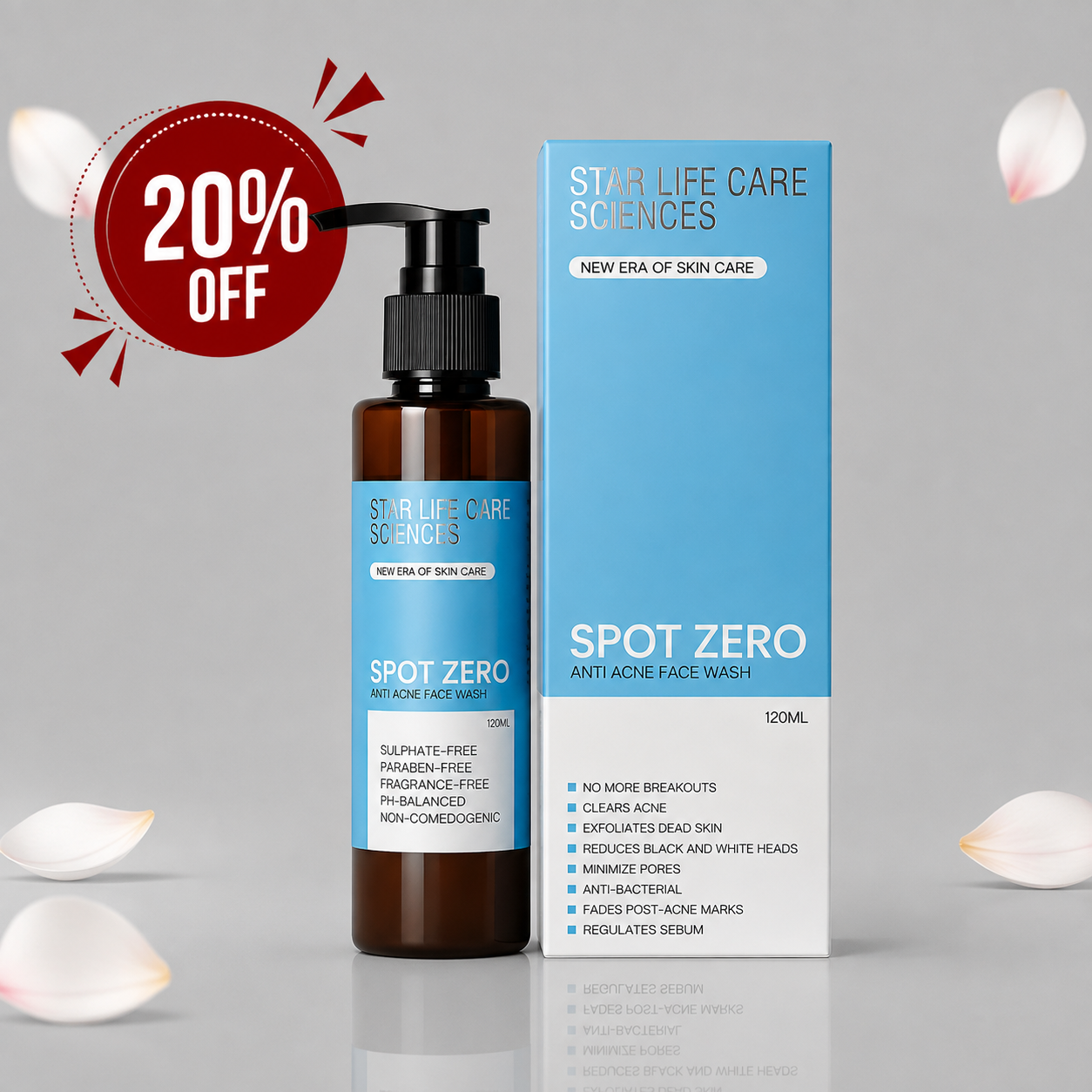
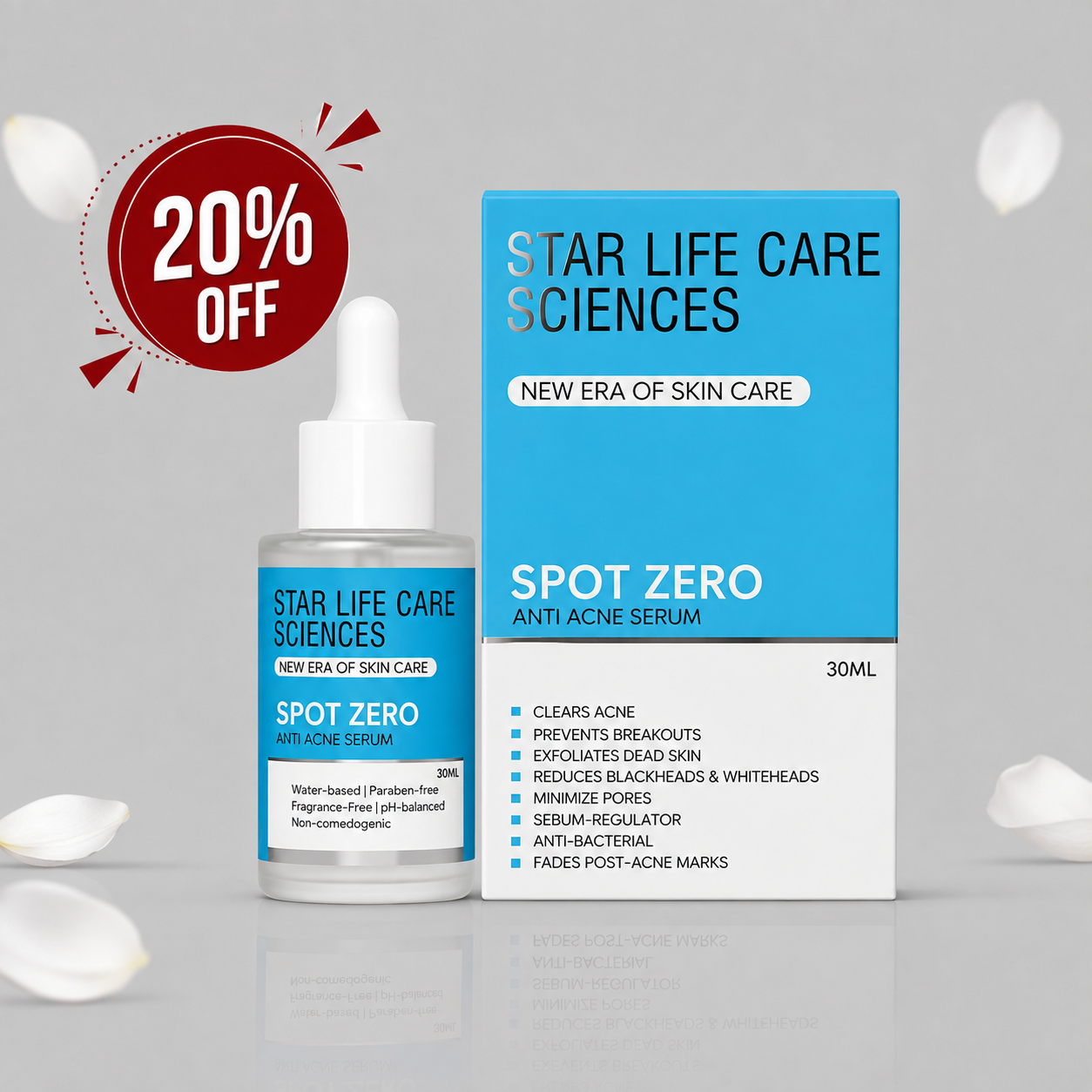
For people looking for salicylic acid for acne, Star Life Care Sciences' SPOT ZERO Anti-Acne Face Wash and SPOT ZERO Anti-Acne Serum are specifically formulated around acne-prone skin concerns.
The SPOT ZERO Anti-Acne Face Wash contains Salicylic Acid 2%, along with:
The formula is designed for acne-prone, oily and combination skin and targets concerns such as excess oil, clogged pores, blackheads, whiteheads and breakouts.
The SPOT ZERO Anti-Acne Serum contains:
This combination is designed to provide targeted support for acne, clogged pores, excess oil, blackheads, whiteheads, redness and post-acne marks.
The serum complements the cleansing step by providing a leave-on treatment specifically designed for acne-prone skin.
If you are new to salicylic acid skincare, start gradually.
A basic routine can look like this:
Cleanser
↓
Treatment serum, if appropriate for your skin
↓
Moisturizer
↓
Broad-spectrum sunscreen
SPOT ZERO Anti-Acne Face Wash
↓
SPOT ZERO Anti-Acne Serum
↓
Moisturizer
If you are also using other exfoliating products, avoid automatically combining everything together. Introduce active ingredients gradually and observe how your skin responds.
Whether you should use salicylic acid every day depends on the product and your individual skin tolerance.
Some people tolerate daily use well, while others may experience dryness or irritation if they use it too frequently.
If you are beginning a salicylic acid skincare routine, consider starting less frequently and increasing usage only if your skin tolerates it comfortably.
If your skin becomes excessively dry, irritated or uncomfortable, reduce frequency and simplify your routine.
A good skincare routine for oily and acne-prone skin should focus on more than just removing oil.
A balanced routine should include:
Use a suitable anti-acne face wash to remove excess oil and impurities.
Use a targeted anti-acne serum when appropriate.
Use a moisturizer to support skin comfort and the skin barrier.
Use sunscreen every morning.
This approach helps prevent the common mistake of treating oily skin too aggressively.
The primary role of salicylic acid in acne skincare is exfoliation and pore care rather than being a dedicated pigmentation treatment.
However, managing breakouts and supporting skin turnover can be part of a broader routine for people concerned about post-acne marks.
If your main concern is persistent dark spots or uneven skin tone after acne, consider adding skincare specifically formulated for pigmentation and always use sunscreen.
More salicylic acid does not necessarily mean faster results.
Using active products too frequently can cause dryness or irritation.
Using salicylic acid alongside several other exfoliating acids or strong active ingredients can be overwhelming for some skin types.
Keep your acne skincare routine simple.
Even oily skin needs hydration.
A lightweight moisturizer can help maintain skin comfort.
Daily sunscreen is an important part of any skincare routine, particularly when you are working on uneven-looking skin tone and post-acne marks.
Squeezing or picking breakouts can increase irritation and may contribute to lingering marks.
Salicylic acid for acne-prone skin may be particularly useful for people concerned with:
However, every person's skin is different. Sensitive or easily irritated skin may require a slower introduction and a simpler routine.
Salicylic acid exfoliates the skin and helps remove buildup that can contribute to clogged pores. It is commonly used in products designed for acne-prone skin, particularly for blackheads and whiteheads.
2% salicylic acid is a commonly used concentration in acne-focused skincare products. It can help exfoliate, unclog pores and improve the appearance of blackheads, whiteheads and breakouts.
Yes. Salicylic acid for oily skin is popular because it is oil-soluble and can help address pore congestion associated with excess sebum.
Yes. Salicylic acid for blackheads can help exfoliate dead skin cells and support clearer-looking pores.
These ingredients can generally be incorporated into the same skincare routine. Niacinamide can complement an acne-focused routine by supporting the skin barrier and overall skin appearance.
It depends on the product and your skin's tolerance. Start gradually if you are new to salicylic acid, and reduce frequency if dryness or irritation develops.
A salicylic acid face wash primarily cleanses the skin, while a salicylic acid serum is a leave-on treatment. Depending on your concerns and skin tolerance, they can play complementary roles.
Salicylic acid for acne remains one of the most useful ingredients for people dealing with clogged pores, blackheads, whiteheads and oily skin.
Its key role is exfoliation and pore care. By helping remove dead skin cell buildup and supporting clearer-looking pores, salicylic acid can become an important part of a well-balanced acne skincare routine.
For a targeted approach, SPOT ZERO Anti-Acne Face Wash provides 2% Salicylic Acid in a cleansing formula, while SPOT ZERO Anti-Acne Serum combines 2% Salicylic Acid with 10% Azelaic Acid, Niacinamide and Zinc PCA for leave-on acne-focused care.


