Cart
0
You may also like this
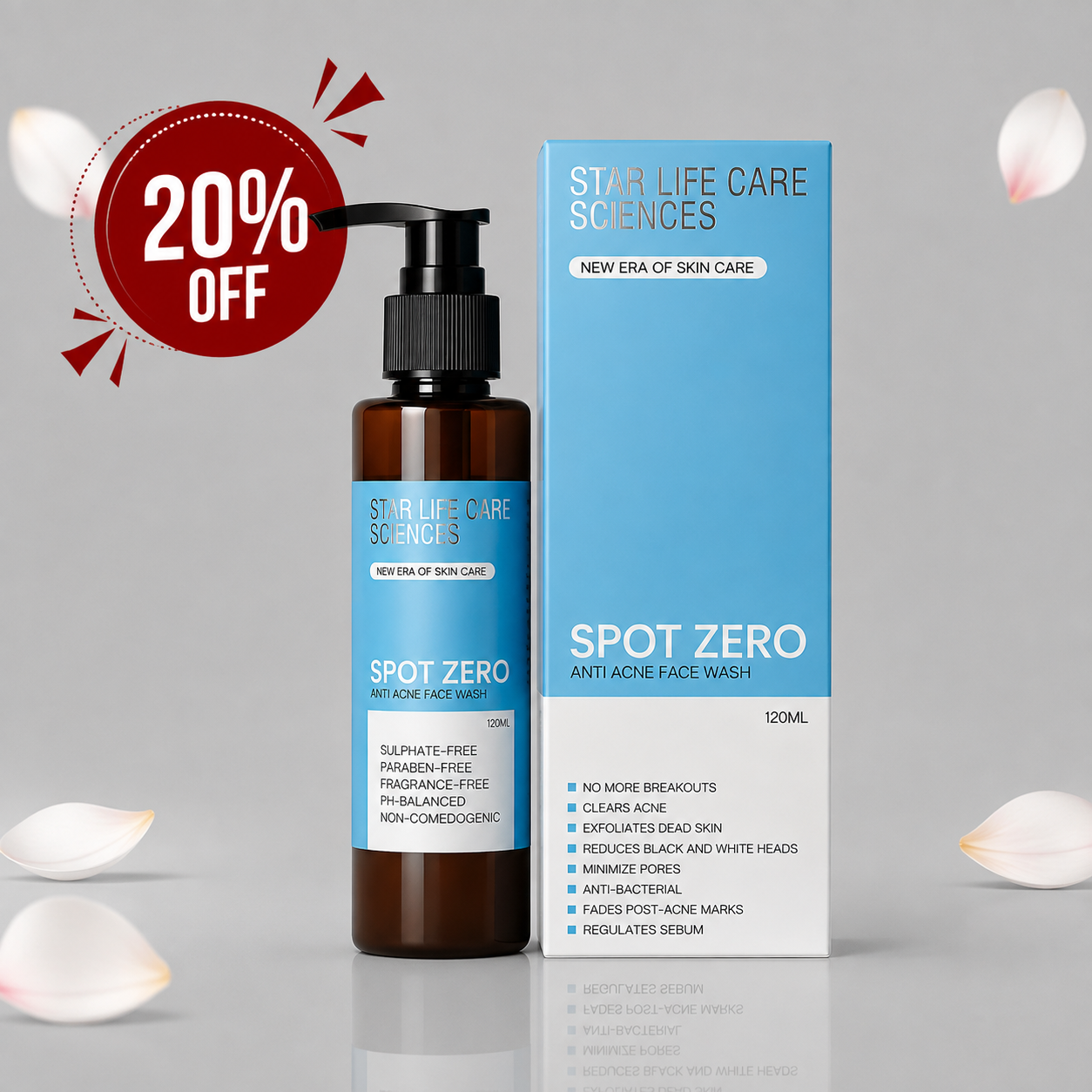
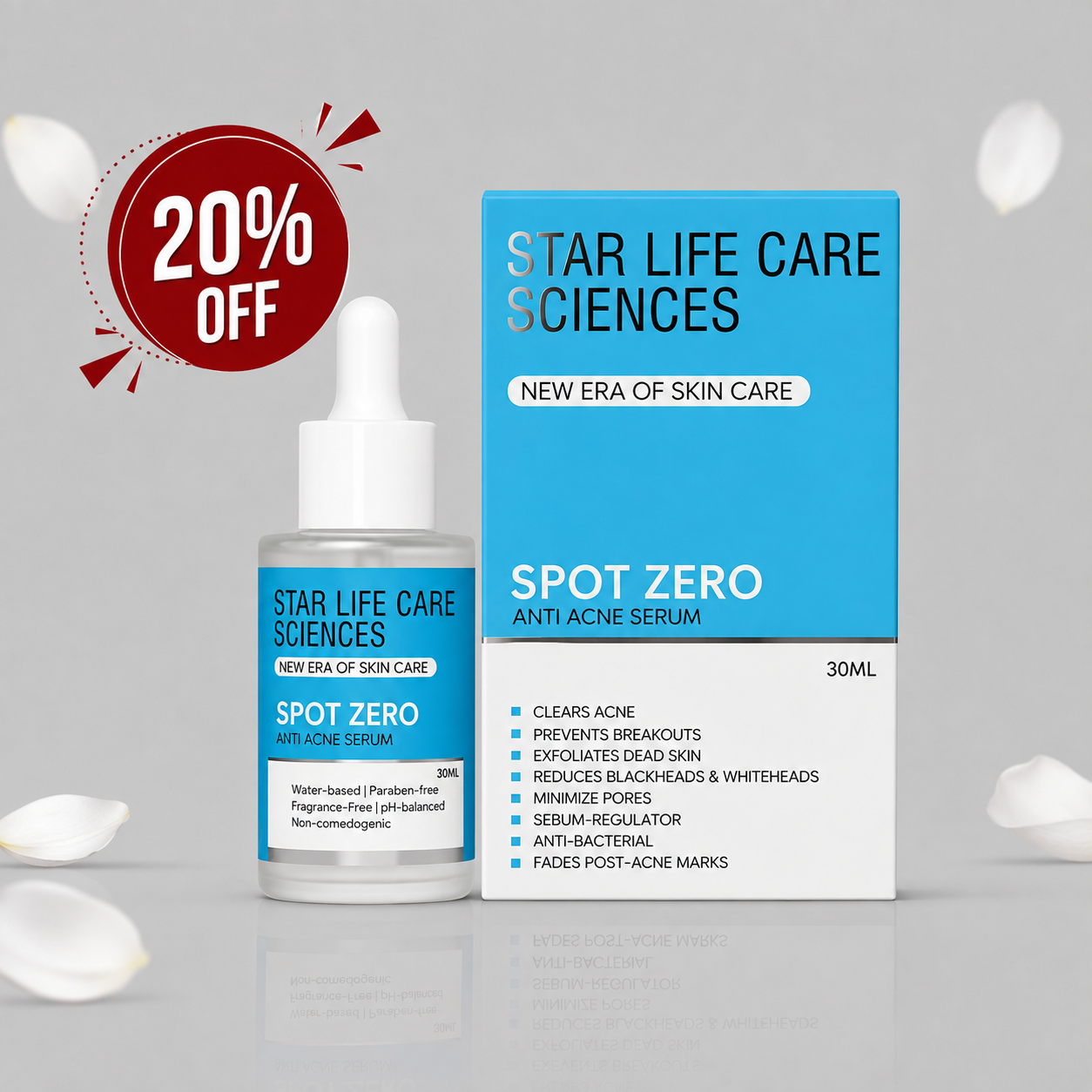


Getting rid of active breakouts is only part of the skincare journey. For many people, the bigger concern comes afterward: acne marks, dark spots and uneven skin tone that remain after a pimple has disappeared.
If you are searching for how to reduce acne marks, the most important thing is to understand that acne marks need a different approach from active acne.
A good routine should focus on managing new breakouts while supporting a more even-looking skin tone, improving the appearance of discoloration and protecting the skin from further pigmentation.
Ingredients such as niacinamide, vitamin C, azelaic acid, tranexamic acid and licorice root extract are commonly used in skincare routines targeting dark spots and uneven skin tone.
Acne marks are areas of discoloration that can remain after an acne breakout has healed.
They may appear as:
These marks are different from true acne scars.
Acne marks primarily refer to changes in skin color after inflammation.
Acne scars, on the other hand, involve a change in the skin's structure, such as depressions or raised areas.
This distinction is important because a skincare routine for acne marks can help improve the appearance of discoloration, while deeper structural acne scars may require professional dermatological treatments.
When acne causes inflammation, the skin can respond by producing changes in pigmentation.
Picking, squeezing or repeatedly irritating pimples can make the situation worse.
Sun exposure can also make existing dark spots appear more noticeable.
That's why an effective approach to how to reduce acne marks should include three things:
Prevent new breakouts → Treat the appearance of discoloration → Protect the skin from UV exposure
One of the simplest ways to reduce the risk of lingering acne marks is to avoid picking or squeezing active breakouts.
Physical irritation can increase inflammation and potentially make post-acne discoloration more noticeable.
Instead, use a consistent acne skincare routine designed for your skin's needs.
The right active ingredients can make your skincare routine for acne marks more targeted.
Some of the most useful ingredients to look for include:
Niacinamide is a form of vitamin B3 widely used in skincare.
It can support the skin barrier and is commonly included in products designed to improve the appearance of uneven skin tone and dark spots.
This makes niacinamide for acne marks an excellent ingredient to consider when building a routine for both acne-prone skin and discoloration.
Vitamin C is an antioxidant frequently used in brightening skincare.
It can help protect the skin against oxidative stress and support a brighter, more even-looking complexion.
Products containing vitamin C for acne marks can therefore be incorporated into routines focused on dark spots and uneven skin tone.
Azelaic acid is another useful ingredient for people dealing with both blemish-prone skin and uneven-looking pigmentation.
It is commonly used in skincare formulated for acne-prone skin, while also helping improve the appearance of discoloration.
This makes azelaic acid for acne marks particularly interesting for people who are dealing with both active breakouts and post-acne marks.
Tranexamic acid is an ingredient commonly used in skincare products formulated to target the appearance of hyperpigmentation.
It can be particularly relevant when your primary concern is dark spots, post-acne pigmentation and uneven skin tone.
Licorice root extract is another ingredient frequently found in brightening skincare formulas.
It is used to support a more even-looking complexion and can complement ingredients such as niacinamide, vitamin C and tranexamic acid.
If you want to learn how to reduce acne marks, daily sun protection should be one of the most important parts of your routine.
UV exposure can contribute to pigmentation and may make existing dark spots more noticeable.
Use a broad-spectrum sunscreen with SPF 30 or higher during the day and reapply as appropriate for your exposure.
A brightening serum cannot replace sunscreen.
Think of it this way:
Brightening skincare works on your routine.
Sunscreen helps protect your progress.
When focusing on acne marks and uneven skin tone, it is easy to concentrate entirely on active ingredients.
But hydration still matters.
Ingredients such as:
can help support skin hydration and comfort.
A well-balanced skincare routine for acne-prone skin should therefore include cleansing, treatment, hydration and sun protection.
If new pimples keep appearing, new acne marks can continue to develop.
Therefore, reducing the appearance of existing marks should happen alongside appropriate acne care.
For active acne and clogged pores, ingredients such as salicylic acid, azelaic acid, niacinamide and zinc PCA can be useful components of an acne-focused routine.
This is where an acne treatment such as SPOT ZERO Anti-Acne Serum can fit into a broader routine.
Exfoliation can be useful for improving the appearance of dullness and uneven texture, but more is not always better.
Using several strong exfoliating products at the same time may cause dryness or irritation.
If your skin becomes irritated, simplify your routine rather than adding more active ingredients.
A successful approach to how to fade acne marks should be consistent and skin-tolerant rather than aggressive.
Acne marks do not usually disappear overnight.
The time required for discoloration to become less noticeable varies from person to person.
Your results can depend on:
The goal should be gradual improvement in the appearance of dark spots and uneven skin tone, rather than expecting instant results.
| Ingredient | Main Skincare Role |
|---|---|
| Niacinamide | Supports skin barrier and more even-looking tone |
| Vitamin C | Antioxidant and brightening support |
| Azelaic Acid | Supports blemish-prone skin and uneven-looking pigmentation |
| Tranexamic Acid | Targets the appearance of hyperpigmentation |
| Licorice Root Extract | Brightening and tone-evening support |
| Salicylic Acid | Exfoliation and clogged-pore support |
| Panthenol | Hydration and skin comfort |
| Hyaluronic Acid | Hydration |
| Glycerin | Humectant hydration |
If you are dealing with active acne as well as acne marks, an acne-focused product can help address the breakout side of the problem.
SPOT ZERO Anti-Acne Serum contains:
The formula is designed to target concerns including breakouts, clogged pores, blackheads, whiteheads, excess oil, redness and post-acne marks.
The combination of salicylic acid, azelaic acid and niacinamide makes it particularly relevant for people whose routine needs to address both acne-prone skin and post-acne concerns.
Once active acne is under control, your skincare routine can place greater emphasis on dark spots and uneven skin tone.
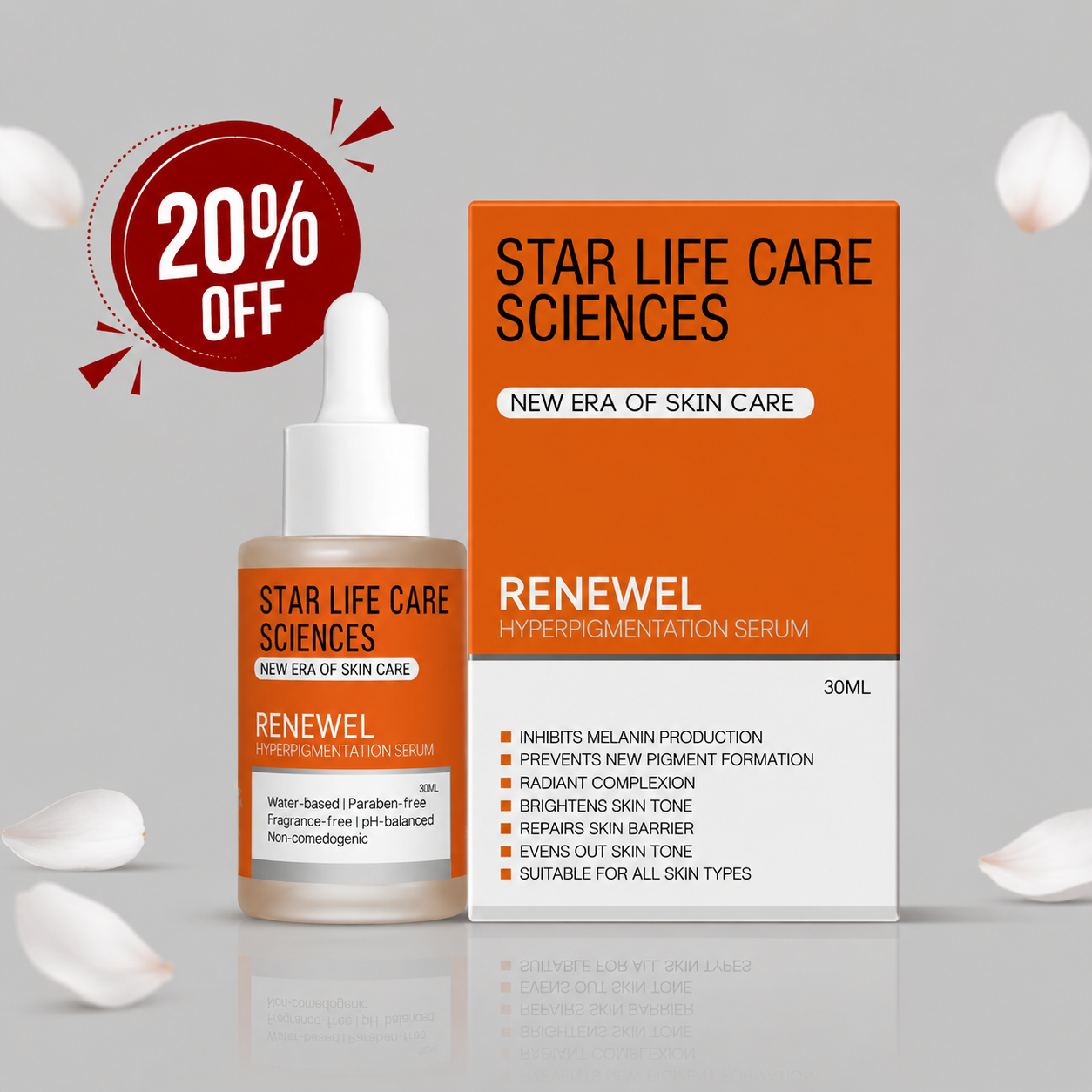
RENEWEL Hyperpigmentation Serum contains a targeted brightening combination:
It is formulated to address the appearance of:
Its combination of Vitamin C, Niacinamide, Tranexamic Acid and Licorice Root Extract makes it a targeted option for a routine focused on pigmentation and uneven-looking skin tone.
The best choice depends on your primary concern.
Active acne + breakouts + clogged pores + excess oil + blackheads + whiteheads
Dark spots + post-acne marks + pigmentation + uneven skin tone + sun-related discoloration
If you experience both active acne and persistent discoloration, your routine may need to address both concerns while avoiding excessive use of active ingredients.
Use a suitable cleanser to remove overnight oil and impurities.
Use an appropriate product containing ingredients such as niacinamide or vitamin C.
Apply a suitable moisturizer to support hydration.
Finish with broad-spectrum SPF 30 or higher sunscreen.
Cleanse your skin gently.
For active acne-prone skin, consider an acne-focused treatment such as SPOT ZERO Anti-Acne Serum.
For primarily dark spots and uneven skin tone, a pigmentation-focused product such as RENEWEL Hyperpigmentation Serum may be more appropriate.
Finish with a moisturizer suitable for your skin type.
If dullness and rough texture are additional concerns, KLEANSA Instant Brightening Cleanser can be incorporated into a broader skincare routine.
It contains:
The combination is designed to support brighter-looking skin, smoother-looking texture and a more even-looking complexion.
Because KLEANSA contains Glycolic Acid, avoid automatically combining it with every other exfoliating active in the same routine. Introduce it according to your skin's tolerance.
Adding multiple serums and exfoliants does not necessarily produce faster results.
This is one of the biggest mistakes when targeting dark spots and uneven skin tone.
Picking can increase inflammation and contribute to lingering marks.
Too much exfoliation can cause irritation and make your skincare routine harder to tolerate.
A consistent routine is more useful than constantly switching products.
If you want to reduce future acne marks, prevention is just as important as treatment.
Don't pick or squeeze pimples.
Use an appropriate acne skincare routine.
Cleanse without excessively stripping the skin.
Keep your skin hydrated.
Use sunscreen every day.
Introduce active ingredients gradually.
Be consistent with your routine.
The appearance of acne marks can sometimes improve gradually with consistent skincare and sun protection. Ingredients such as niacinamide, vitamin C, azelaic acid and licorice root extract are commonly used in skincare for uneven-looking pigmentation.
There is no single best ingredient for everyone. Niacinamide, vitamin C, azelaic acid and tranexamic acid can all have useful roles depending on the type of discoloration and your overall skincare routine.
Niacinamide is commonly used in skincare to support the appearance of uneven skin tone and dark spots, while also supporting the skin barrier.
Vitamin C is an antioxidant frequently used in brightening skincare. It can support a brighter, more even-looking complexion and can be incorporated into a routine targeting post-acne marks.
Azelaic acid can be useful in skincare routines addressing both blemish-prone skin and uneven-looking pigmentation, making it a relevant ingredient for people dealing with acne and post-acne marks.
The timeline varies considerably. Some marks may gradually become less noticeable over time, while persistent pigmentation can take longer. Consistency, sun protection and avoiding repeated irritation are important.
No. Acne marks generally refer to changes in skin color, while acne scars involve structural changes in the skin. Deeper acne scars may require professional treatment.
If you are wondering how to reduce acne marks and uneven skin tone, the answer is not simply to use the strongest brightening product you can find.
A better approach is to build a consistent routine around your actual concerns.
For active acne, clogged pores and excess oil, ingredients such as salicylic acid, azelaic acid, niacinamide and zinc PCA can be useful components of an acne-focused routine.
For acne marks, dark spots and uneven skin tone, ingredients such as niacinamide, vitamin C, tranexamic acid, azelaic acid and licorice root extract can provide targeted brightening support.


