Cart
0
You may also like this


If you have oily skin, pimples, clogged pores or acne marks, you may have heard about niacinamide as an ingredient that can be added to an everyday skincare routine.
But can niacinamide help acne and oily skin?
Yes, niacinamide can be a useful ingredient for people with acne-prone skin, particularly when excess oil, uneven-looking skin tone and a weakened skin barrier are also concerns.
Unlike some strong exfoliating ingredients, niacinamide is a form of vitamin B3 that can support several aspects of skin health. It is commonly found in skincare products designed for oily skin, acne-prone skin, dark spots and uneven skin tone.
In this guide, we'll explain the benefits of niacinamide, how it fits into an acne skincare routine, what concentration to look for and how it can complement ingredients such as salicylic acid.
Niacinamide is a water-soluble form of vitamin B3 used in many skincare formulations.
It is popular because it can address several different skincare concerns at once.
Depending on the formulation, niacinamide skincare can help support:
This versatility is one reason niacinamide has become such a common ingredient in serums, cleansers and moisturizers.
Niacinamide can be a useful ingredient for acne-prone and oily skin, particularly when excess sebum and irritation are part of the problem.
However, it is important to understand that niacinamide is not an instant acne cure.
Instead, it can support an overall acne skincare routine by helping manage concerns that commonly accompany acne, including excess oil, uneven-looking skin tone and compromised skin barrier function.
For active acne, niacinamide can work particularly well as part of a broader routine containing targeted ingredients such as salicylic acid or azelaic acid.
One of the biggest reasons people search for niacinamide for oily skin is excess sebum.
Too much visible oil can contribute to shine and may be associated with clogged pores and blemishes.
Niacinamide can help support a more balanced-looking complexion, making it a useful ingredient in skincare for oily skin.
The goal isn't to remove all natural oil from the skin.
Healthy skin needs lipids and moisture.
Instead, the goal is to maintain a comfortable balance while reducing the appearance of excessive oiliness.
The skin barrier plays an important role in keeping moisture in and protecting the skin from external stressors.
An overly aggressive acne skincare routine can sometimes leave the skin feeling dry or irritated.
Niacinamide is widely used in skincare formulations designed to support the skin barrier.
This is important because effective acne care isn't only about exfoliating or removing oil.
A good routine should also maintain skin hydration and barrier support.
Active acne isn't always the only concern.
After a breakout heals, some people are left with post-acne marks or uneven-looking discoloration.
Niacinamide for acne marks can be a useful part of a broader routine focused on improving the appearance of uneven skin tone.
For more persistent pigmentation, niacinamide can be combined with other brightening ingredients such as vitamin C, tranexamic acid, licorice root extract or alpha arbutin, depending on your skincare needs.
Uneven skin tone can result from many different factors, including previous breakouts and sun exposure.
Because niacinamide can support the appearance of discoloration, it is commonly included in products targeting:
dark spots + acne marks + uneven skin tone
This makes it useful for people whose skincare concerns go beyond active acne.
A major advantage of niacinamide is that it can be incorporated into routines alongside other skincare ingredients.
For example:
Niacinamide + Salicylic Acid
can create a complementary approach where salicylic acid focuses on exfoliation and clogged pores while niacinamide provides barrier and oil-balance support.
Similarly:
Niacinamide + Azelaic Acid
can be useful in routines designed around acne-prone skin and uneven-looking pigmentation.
Yes, niacinamide and salicylic acid can generally be used together in a skincare routine.
They have different roles.
Salicylic acid is a beta hydroxy acid (BHA) that exfoliates and is commonly used for:
Niacinamide supports:
This makes niacinamide and salicylic acid a useful combination for a comprehensive acne skincare routine, provided your skin tolerates the overall formulation.
You'll commonly see 2%, 5% and higher concentrations of niacinamide in skincare products.
For many everyday skincare formulas, 5% niacinamide is a particularly common concentration.
However, the percentage isn't the only factor that matters.
A good skincare product also depends on:
More isn't automatically better.
If you're new to niacinamide skincare, starting with a well-formulated product and using it consistently is generally more sensible than immediately choosing the highest concentration available.
If your primary concern is oily skin, your skincare routine should focus on controlling excess shine without excessively stripping the skin.
A simple routine can include:
Gentle cleanser
↓
Niacinamide serum
↓
Moisturizer
↓
Broad-spectrum sunscreen
Cleanser
↓
Treatment serum
↓
Moisturizer
If you also experience clogged pores and breakouts, an acne-focused ingredient such as salicylic acid may be incorporated according to your skin's tolerance.
For acne-prone skin, niacinamide works best as part of a complete routine rather than as the only active ingredient.
A balanced routine should address:
Cleansing → Acne Treatment → Hydration → Sun Protection
For example:
Anti-acne cleanser
→ removes excess oil and impurities
Acne treatment
→ targets breakouts and clogged pores
Niacinamide
→ supports oil balance and the skin barrier
Moisturizer
→ supports hydration
Sunscreen
→ protects against UV exposure
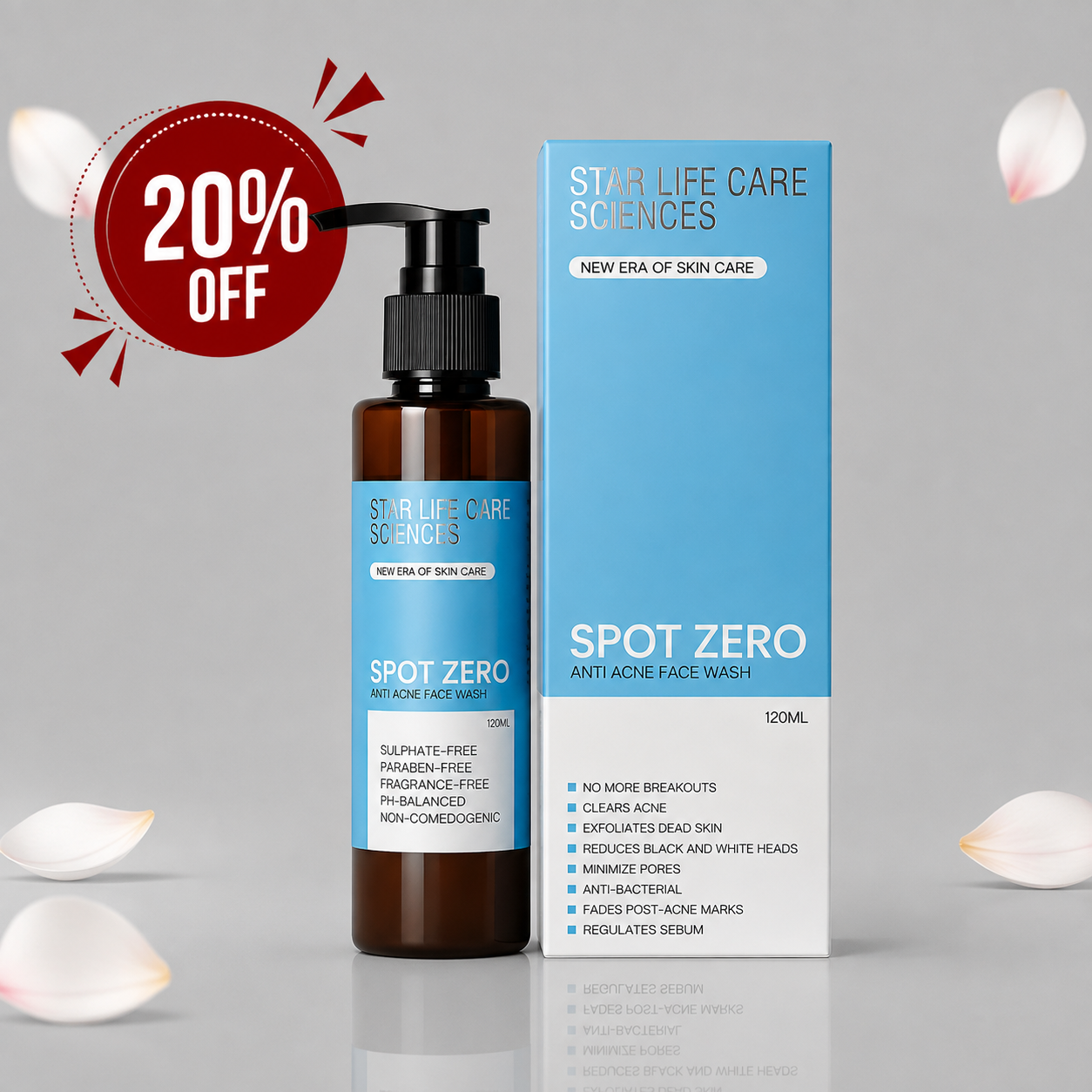
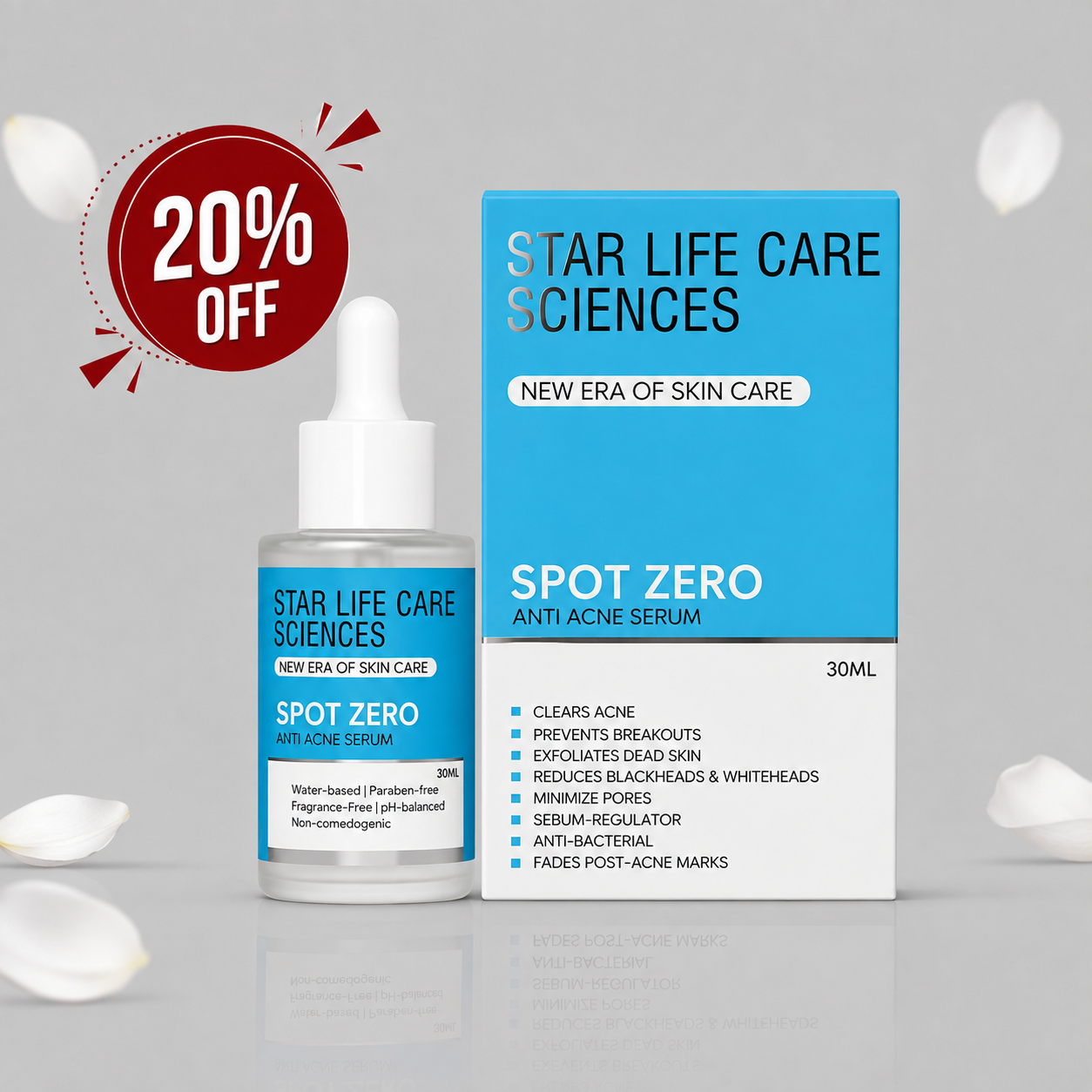
Star Life Care Sciences includes niacinamide in both its SPOT ZERO Anti-Acne Face Wash and SPOT ZERO Anti-Acne Serum.
The formula contains Niacinamide 5%, alongside:
This combination is designed for acne-prone, oily and combination skin, targeting concerns such as excess oil, clogged pores, blackheads, whiteheads and breakouts.
The combination of salicylic acid and niacinamide makes it particularly relevant to people searching for skincare for oily and acne-prone skin.
SPOT ZERO Anti-Acne Serum contains:
The formula is designed to target acne, breakouts, clogged pores, blackheads, whiteheads, excess oil, redness and post-acne marks.
For someone searching for a niacinamide serum for oily skin that also includes dedicated acne-focused ingredients, this combination provides a targeted approach.
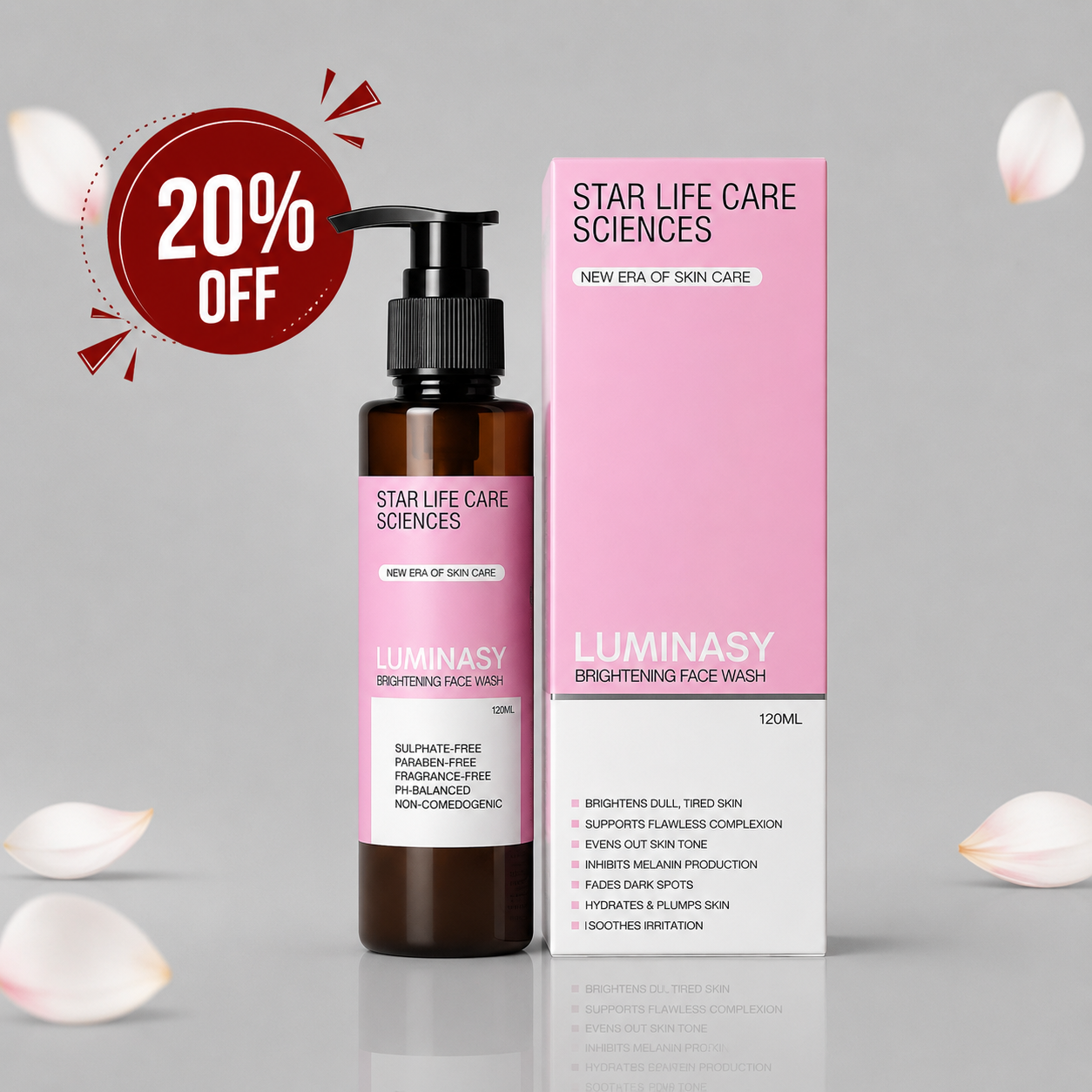
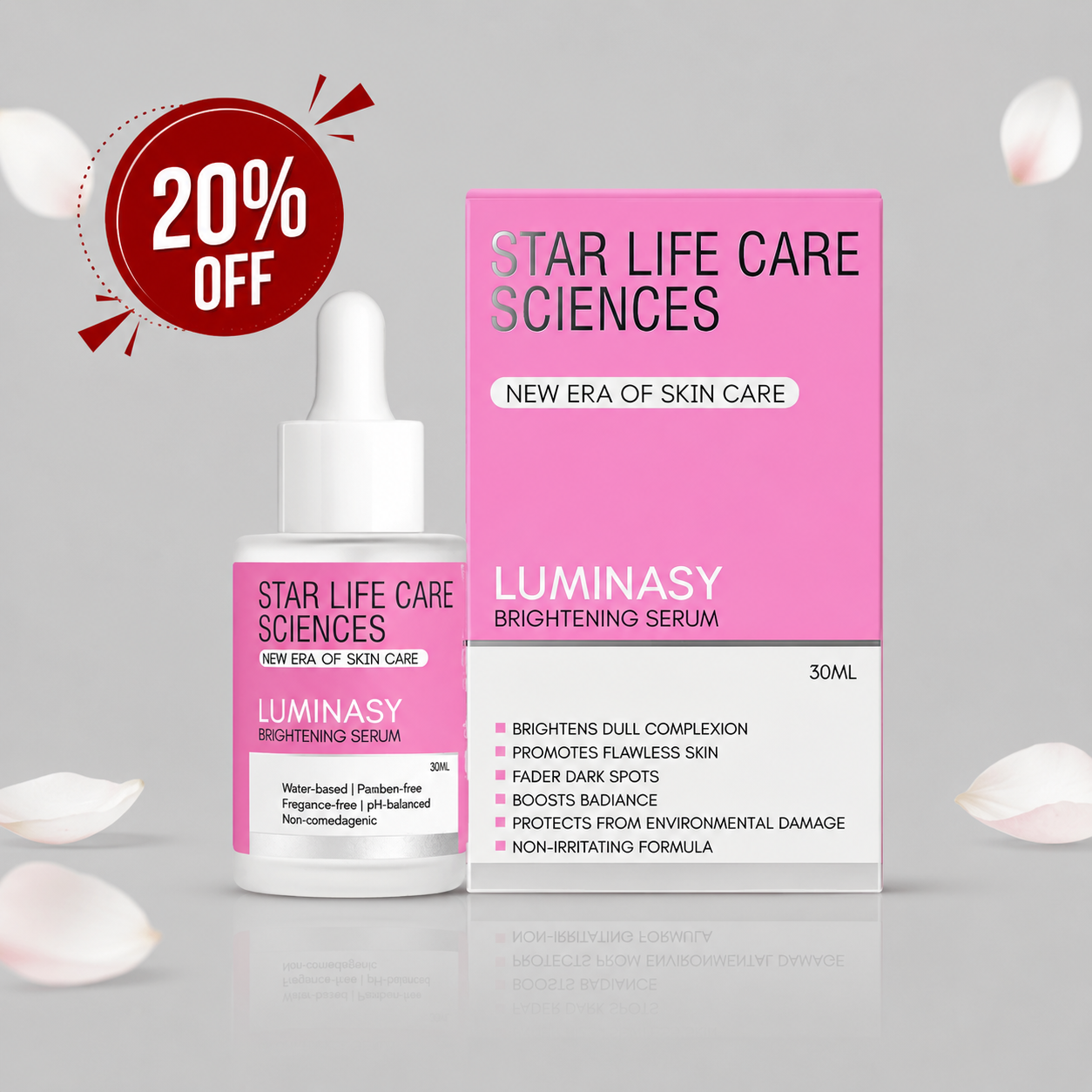
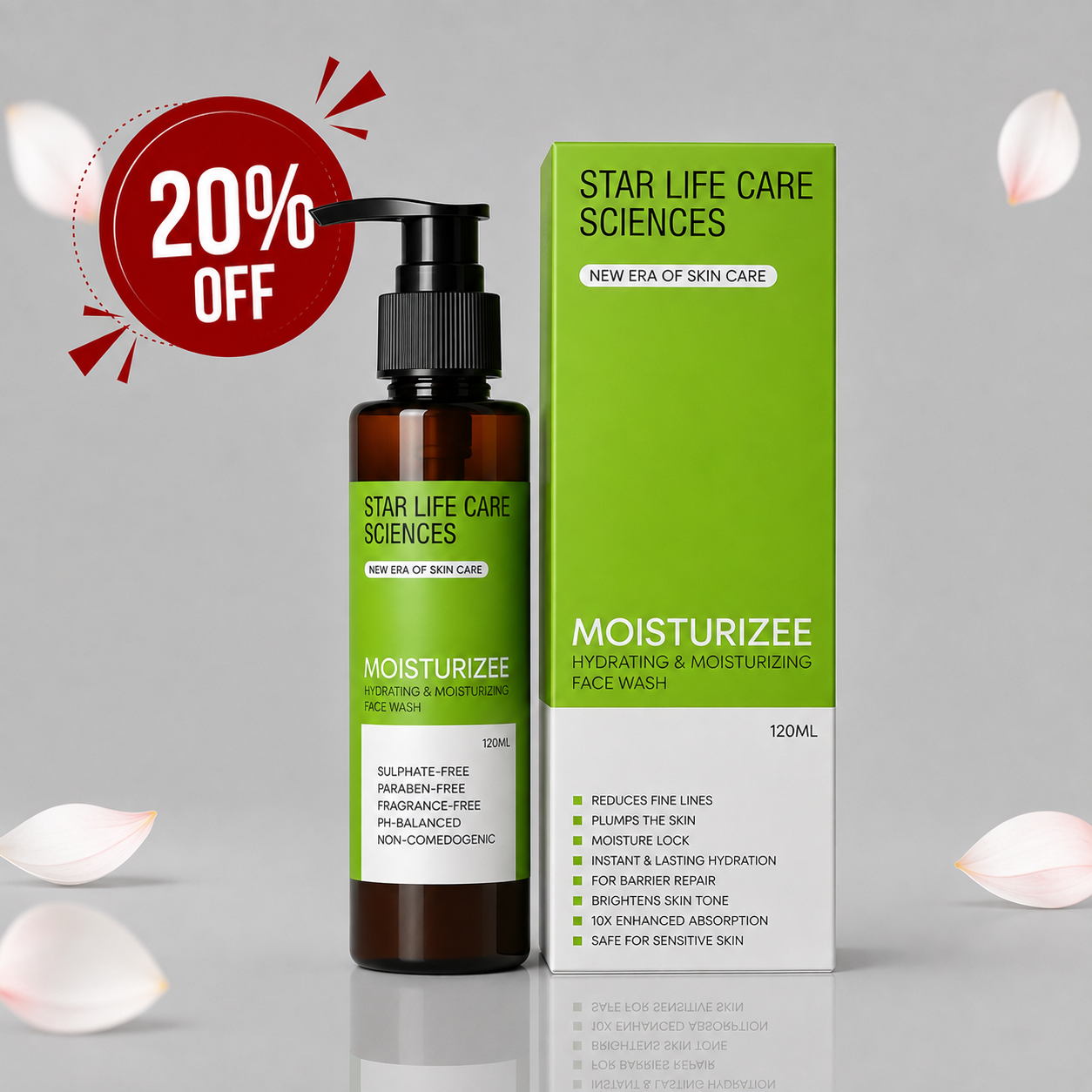
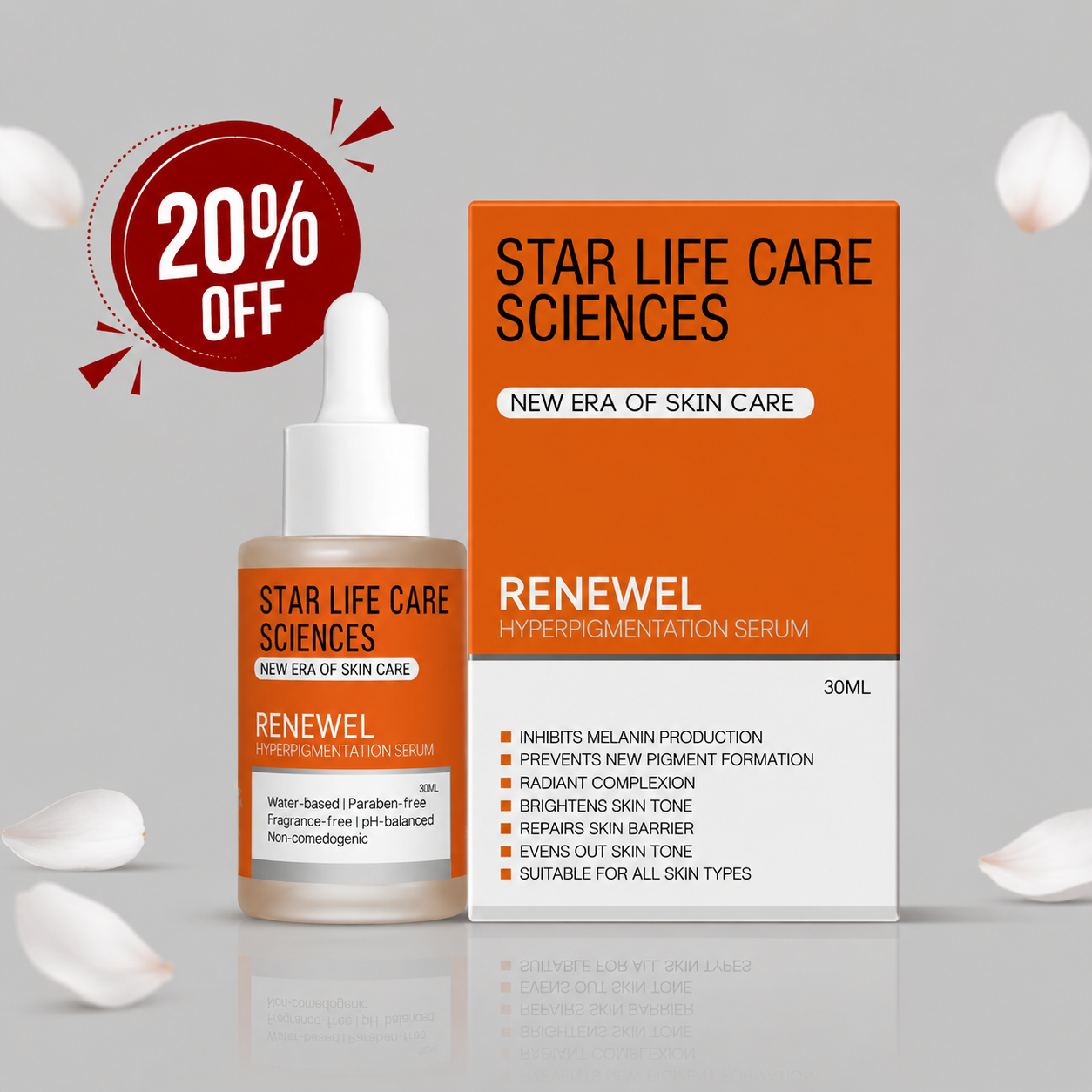
Niacinamide is also included across several Star Life Care Sciences skincare formulas.
Contains Niacinamide 5%, alongside Vitamin C 10%, Alpha Arbutin 2.5%, Kojic Dipalmitate 1.5% and other brightening and hydrating ingredients.
It is designed primarily for dullness, dark spots, pigmentation and uneven-looking skin tone.
Contains Niacinamide 3%, Alpha Arbutin 2%, Kojic Acid 1% and Vitamin C 3%, making it focused on brightening and uneven-looking skin tone.
Contains Niacinamide 5%, Vitamin C 5%, Tranexamic Acid 3%, SymWhite® 377 0.5% and Licorice Root Extract 2%.
It is designed for concerns including dark spots, post-acne marks, sun damage and uneven skin tone.
Contains Niacinamide 5% together with Glycolic Acid 5%, Vitamin C 3% and Licorice Root Extract 1.5%.
It is designed to address dullness, uneven-looking skin tone and rough texture.
Contains Niacinamide 5% alongside Encapsulated Retinol 0.3%, Matrixyl 3000 2%, Vitamin E and Hyaluronic Acid.
Its focus is fine lines, wrinkles, dullness, hydration, firmness and overall skin appearance.
Your choice should depend on your primary skincare concern.
| Main Concern | Suitable Product Focus |
|---|---|
| Acne + oily skin | SPOT ZERO |
| Pimples + clogged pores | SPOT ZERO |
| Blackheads + whiteheads | SPOT ZERO |
| Acne marks + dark spots | SPOT ZERO / RENEWEL |
| Uneven skin tone | RENEWEL / LUMINASY |
| Dull skin | LUMINASY / KLEANSA |
| Rough texture + dullness | KLEANSA |
| Fine lines + dullness | BOTAXCY |
The important point is that niacinamide is a versatile ingredient, but the best product depends on the complete formula and your primary concern.
Don't assume that combining multiple active ingredients will automatically produce faster results.
A simple routine is often easier to maintain and tolerate.
Even oily skin needs hydration.
Choose a moisturizer appropriate for your skin type.
If your concern includes acne marks, dark spots or uneven skin tone, daily sunscreen should be an essential part of your routine.
Niacinamide is not an overnight solution.
Consistency is more important than constantly changing products.
The timeline depends on the concern you're targeting.
Changes in oiliness, skin texture and overall appearance can vary from person to person.
Concerns such as acne marks and uneven skin tone can take longer to improve.
For best results, maintain a consistent routine and avoid constantly introducing new products.
If acne is severe, painful, persistent or causing scarring, professional dermatological advice is recommended.
Niacinamide can support acne-prone skin by helping with concerns such as excess oil, skin barrier support and uneven-looking skin tone. It is best considered as part of a broader acne skincare routine rather than a standalone acne cure.
Yes. Niacinamide for oily skin is popular because it can help support a more balanced-looking complexion while supporting the skin barrier.
Niacinamide for pimples can complement an acne-focused routine, particularly when excess oil and irritation are also concerns. For clogged pores and active breakouts, ingredients such as salicylic acid can provide more targeted exfoliating action.
Niacinamide for acne marks can support a more even-looking complexion and is commonly included in skincare targeting discoloration. For persistent pigmentation, it can be combined with other brightening ingredients.
Yes. Niacinamide and salicylic acid can complement each other because they have different skincare roles. Introduce active ingredients gradually and monitor your skin's tolerance.
5% niacinamide is a commonly used concentration in skincare. Whether it is suitable for you depends on the complete formulation and your skin's tolerance.
Niacinamide for dark spots can be part of a brightening routine designed to improve the appearance of uneven pigmentation. Daily sunscreen is also important.
So, can niacinamide help acne and oily skin?
Yes, niacinamide can be a valuable ingredient for acne-prone and oily skin, especially when your concerns include excess oil, uneven-looking skin tone, acne marks and maintaining a healthy-looking skin barrier.
The key is to use niacinamide as part of a balanced routine rather than expecting one ingredient to solve every skincare concern.
For active acne and clogged pores, ingredients such as salicylic acid, azelaic acid and zinc PCA can provide targeted support.
For acne marks and uneven skin tone, ingredients such as niacinamide, vitamin C, tranexamic acid and licorice root extract can complement your routine.


