Cart
0
You may also like this
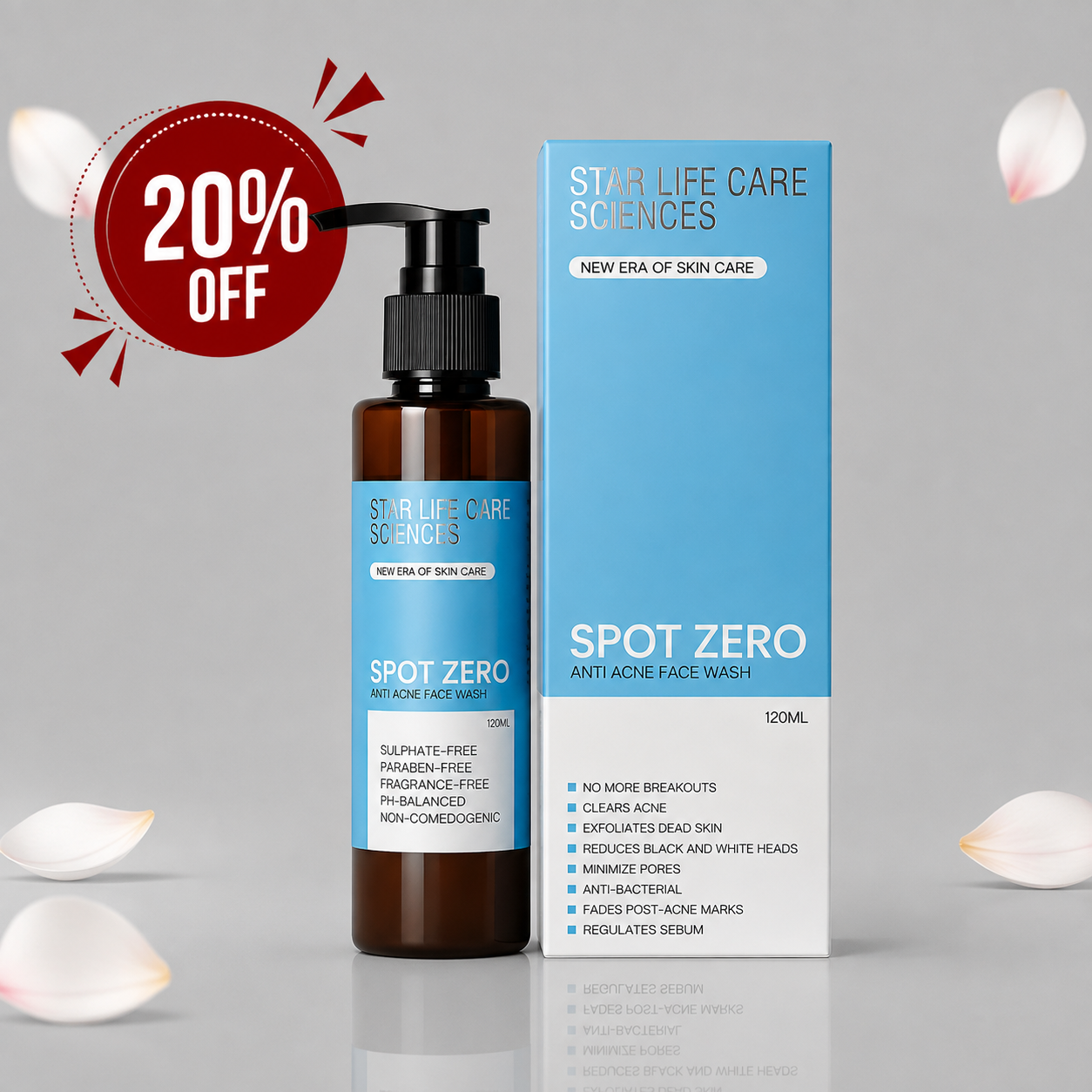
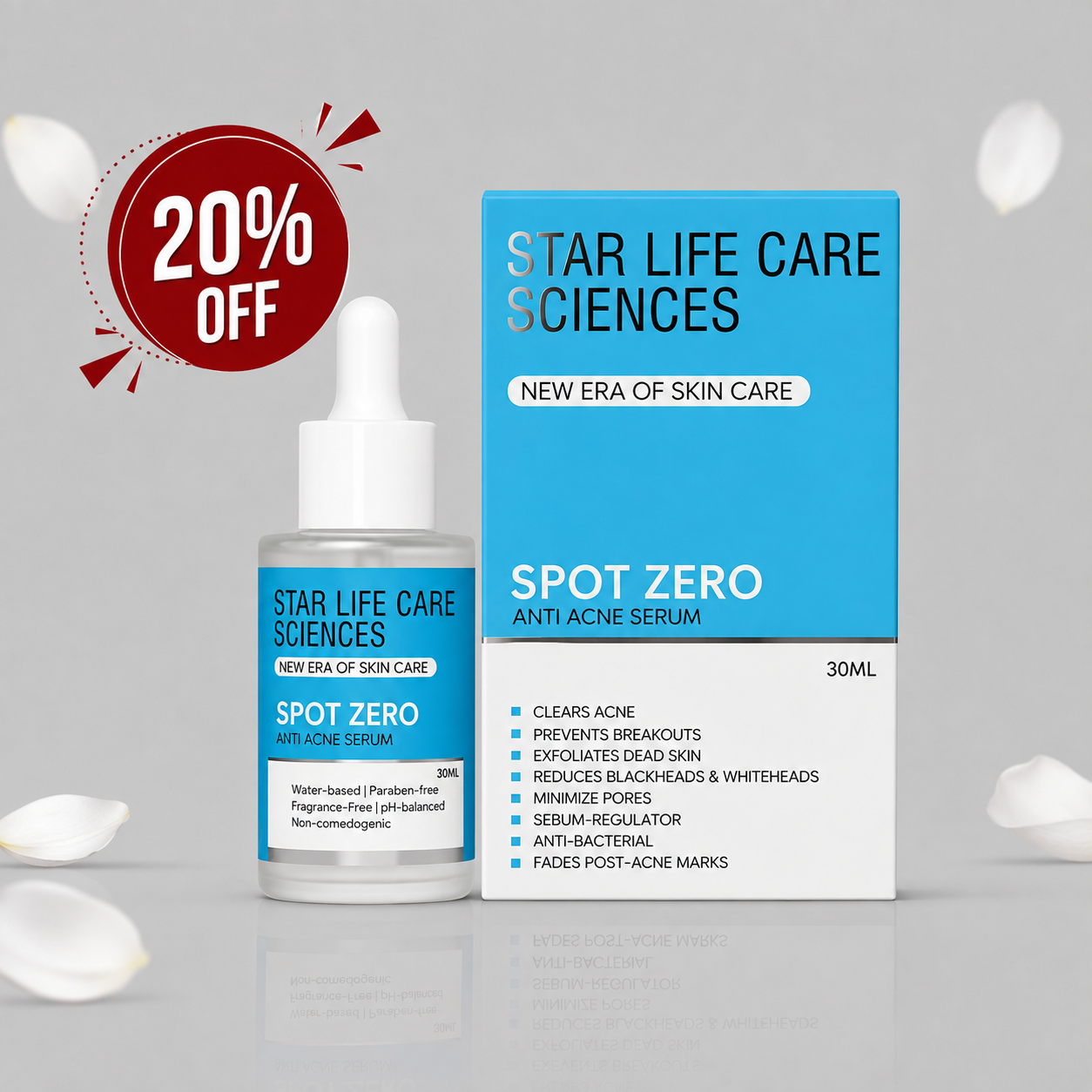


Acne problems are among the most common skincare concerns affecting teenagers and adults. Pimples, blackheads, whiteheads, clogged pores, redness, and post-acne marks can affect the appearance of the skin and may make maintaining a consistent skincare routine challenging.
The good news is that acne-prone skin can often be managed with a consistent and appropriate acne skincare routine.
The key is understanding what contributes to breakouts and choosing skincare products that support your skin without unnecessarily irritating it.
In this guide, we'll explore the common causes of acne problems, different types of acne, skincare mistakes that can make breakouts worse, and how an anti-acne face wash and anti-acne serum can become part of a daily routine.
Acne is a common skin condition that develops when hair follicles become clogged with oil and dead skin cells.
This can result in different types of blemishes, including:
Acne can appear on the face, forehead, cheeks, chin, chest, back, and other areas where oil glands are more active.
Because everyone's skin is different, the best approach to acne treatment depends on the type and severity of the problem.
There isn't always one single cause of acne. Several factors can contribute to breakouts.
Excess sebum can contribute to clogged pores.
People with oily skin may therefore be more prone to certain types of breakouts.
When oil, dead skin cells, and other impurities accumulate inside pores, they can contribute to blackheads, whiteheads, and pimples.
Keeping the skin properly cleansed is an important part of an acne skincare routine.
Acne is also associated with the skin bacterium Cutibacterium acnes.
Changes in the follicle environment can allow acne-associated inflammation to develop.
Hormonal fluctuations can influence oil production and contribute to acne breakouts, particularly during adolescence and other periods of hormonal change.
Heavy or unsuitable products may contribute to clogged pores in some individuals.
For acne-prone skin, choosing non-comedogenic products can be helpful.
Repeatedly touching, picking, or squeezing pimples can irritate the skin and may increase the risk of acne marks and scarring.
You may be dealing with acne-prone skin if you frequently experience:
If breakouts are persistent, painful, widespread, or leaving scars, professional dermatological advice is recommended.
Understanding the type of acne you're experiencing can help you choose an appropriate skincare approach.
Open clogged pores that appear dark at the surface.
Closed clogged pores that appear as small bumps.
Small, raised, inflamed bumps.
Inflamed bumps that contain visible pus.
Larger, deeper, painful lesions.
Deep inflammatory lesions that can be painful and may increase the risk of scarring.
For severe or persistent acne, an acne dermatologist can recommend appropriate medical treatment.
One of the biggest frustrations with acne problems is recurring breakouts.
Simply treating an individual pimple may not address the factors contributing to new breakouts.
An effective acne skincare routine should therefore focus on several fundamentals:
Cleanse → Treat → Hydrate → Protect
This approach helps maintain consistent skincare instead of relying only on occasional spot treatment.
A good anti-acne face wash can be an important first step in an acne-focused routine.
Cleansing helps remove:
However, an acne cleanser should not necessarily leave your skin extremely dry or stripped.
Over-cleansing and harsh products can irritate the skin and compromise its barrier.
The goal is effective cleansing without unnecessary irritation.
For people looking for an anti-acne face wash, Spot Zero Anti Acne Face Wash can be incorporated into an acne-focused cleansing routine.
It is designed for people concerned with acne-prone skin, breakouts, excess oil, and clogged pores.
The purpose of using an acne-focused cleanser is to keep the skin clean and prepared for the next steps of your skincare routine.
While a cleanser is an important first step, it is a wash-off product.
An anti-acne serum provides a leave-on skincare step that can be specifically incorporated into a routine targeting breakouts and related skin concerns.
A serum can be applied after cleansing and before moisturizer.
Spot Zero Face Wash → Spot Zero Serum → Moisturizer
During the daytime, finish with sunscreen.
Spot Zero Anti Acne Serum is designed as a targeted skincare product for acne-prone skin.
It can be incorporated into a routine focused on:
Using a face wash and serum together creates a more complete anti-acne skincare routine than relying on cleansing alone.
The two products serve different roles within a skincare routine.
Cleanses the skin and removes excess oil and impurities.
Provides a targeted leave-on skincare step.
Supports skin hydration and comfort.
Protects the skin from UV exposure during the day.
Together, these steps create a simple and practical skincare routine for acne-prone skin.
A complicated routine isn't always better.
A simple acne skincare routine can be easier to maintain consistently.
Use Spot Zero Anti Acne Face Wash.
Apply Spot Zero Anti Acne Serum according to the product directions.
Use a suitable lightweight moisturizer.
Apply broad-spectrum sunscreen.
Cleanse → Treat → Moisturize → Sunscreen
At night:
Cleanse with an appropriate anti-acne face wash.
Apply your anti-acne serum according to its instructions.
Apply moisturizer.
Cleanse → Treat → Hydrate
Keeping the routine consistent is generally more useful than continuously changing products.
Acne refers to the active skin condition and its lesions, such as pimples, blackheads, whiteheads, and inflamed bumps.
Acne marks are changes that remain after a breakout.
These can include areas of discoloration known as post-inflammatory hyperpigmentation.
This distinction is important because an acne skincare routine may need to address both current breakouts and the appearance of marks left behind.
Not every breakout can be prevented, but certain habits may help reduce avoidable triggers.
Extremely drying products may cause irritation.
More cleansing doesn't automatically mean fewer breakouts.
Physical scrubbing can irritate inflamed skin.
Picking can increase inflammation and contribute to acne marks and scarring.
Even oily skin needs appropriate hydration.
Sun exposure can contribute to pigmentation and make acne marks more noticeable.
Spot Zero Anti Acne Face Wash and Spot Zero Anti Acne Serum are positioned for people dealing with acne-prone skin, particularly concerns such as breakouts, excess oil, and clogged pores.
However, individual skin tolerance varies.
If your skin is sensitive, introduce new products gradually and follow the product instructions.
For severe, painful, cystic, or persistent acne, consult a dermatologist rather than relying exclusively on cosmetic skincare.
There is no universal timeline for improving acne problems.
Results can depend on:
Don't expect an acne product to transform your skin overnight.
A consistent anti-acne skincare routine is a more realistic approach.
The best acne face wash depends on your skin type and the nature of your breakouts. Look for a cleanser designed for your specific needs without unnecessarily stripping the skin.
A cleanser is an important part of an acne skincare routine, but it may not be sufficient for everyone. A complete routine can include cleansing, targeted treatment, hydration, and sunscreen.
An anti-acne serum is a leave-on skincare product formulated to target concerns associated with acne-prone skin.
Yes. Using an anti-acne face wash followed by an anti-acne serum can create a simple two-step acne-focused routine, provided your skin tolerates both products.
Yes. Oily skin can still become dehydrated. Choose a suitable lightweight, non-comedogenic moisturizer.
It is generally better to avoid squeezing or popping pimples because this can increase irritation and may contribute to acne marks or scarring.
Consider professional advice if acne is severe, painful, persistent, widespread, leaving scars, or significantly affecting your quality of life.
Acne problems can be frustrating, but a consistent and well-planned acne skincare routine can help you take better care of acne-prone skin.


