Cart
0
You may also like this


Choosing the right anti-acne serum can be confusing. With so many skincare products claiming to target acne, pimples, blemishes, and breakouts, it can be difficult to know which formula actually fits your skin.
The best approach isn't simply choosing the strongest product available. Instead, you should consider your skin type, primary skin concerns, ingredients, formulation, and how the serum fits into your overall acne skincare routine.
A well-selected serum for acne-prone skin can complement cleansing, moisturizing, and sun protection while helping you build a consistent anti-acne skincare routine.
In this guide, we'll explain exactly how to choose an anti-acne serum, what ingredients to look for, what mistakes to avoid, and how to incorporate a serum into your daily routine.
An anti-acne serum is a lightweight skincare product formulated with concentrated ingredients intended to address specific concerns associated with acne-prone skin.
Depending on its formulation, an acne serum may be designed to support concerns such as:
Serums are usually applied after cleansing and before moisturizer.
However, the ingredients matter more than simply the word "anti-acne" printed on the bottle.
When choosing a serum for acne-prone skin, consider these six factors:
Let's examine each one.
Before choosing an anti-acne serum, determine whether your skin is:
If you have oily skin, you may be concerned about:
Look for lightweight, non-greasy formulations that fit comfortably into your acne skincare routine.
Having acne-prone skin doesn't mean your skin cannot also be dry.
If you have dry or dehydrated skin, avoid building a routine that focuses exclusively on aggressive acne products.
Instead, look for a balanced acne serum and include hydrating ingredients in the rest of your routine.
Combination skin can have oily areas, particularly around the T-zone, alongside normal or drier areas.
A lightweight anti-acne serum can be incorporated into a routine without unnecessarily layering heavy products.
Not every person with acne-prone skin has the same concern.
Before buying an anti-acne serum, ask yourself:
Pimples?
Excess Oil?
Clogged Pores?
Frequent Breakouts?
Post-Acne Marks?
Uneven Skin Tone?
Blemishes?
Your answer should influence the ingredients you prioritize.
The ingredient list is one of the most important things to check when choosing an acne treatment serum.
Some commonly used skincare ingredients include:
Niacinamide is a form of Vitamin B3 widely used in skincare.
It is popular in routines for acne-prone skin because it can support the skin barrier, help maintain balanced-looking skin, and improve the appearance of uneven skin tone.
Niacinamide for acne-prone skin can therefore be a useful part of a broader skincare routine.
Salicylic Acid is a beta hydroxy acid (BHA) commonly used in products formulated for acne-prone skin and clogged pores.
It can help exfoliate inside pores and is particularly relevant when excess oil and congestion are major concerns.
However, not every person needs a high-strength exfoliating serum. Skin tolerance should always be considered.
Ingredients such as Glycolic Acid and Lactic Acid are alpha hydroxy acids (AHAs).
They are commonly used to exfoliate the skin's surface and can be relevant to concerns such as uneven texture and post-acne marks.
Because exfoliating acids can increase irritation when overused, they should be introduced carefully.
Azelaic Acid is another ingredient commonly used in skincare for blemish-prone skin and concerns related to uneven pigmentation.
It can be particularly interesting when someone is dealing with both breakouts and post-acne marks.
Don't choose an anti-acne serum based on one ingredient alone.
A good formula should make sense as a whole.
For example, a serum might combine:
Acne-focused ingredients + Barrier-supporting ingredients + Hydrating ingredients
This can be more practical than choosing an extremely aggressive formula that leaves your skin uncomfortable.
Remember:
More active ingredients do not automatically mean better skincare.
The right formula is one that you can use consistently and comfortably.
Your serum shouldn't be considered separately from everything else you're using.
A basic acne skincare routine can look like:
Cleanser → Treatment → Moisturizer → Sunscreen
Cleanser → Anti-Acne Serum → Moisturizer
If your cleanser already contains exfoliating acids and your serum contains several strong actives, adding more exfoliants may unnecessarily increase irritation.
This is why checking your complete skincare routine is important before adding another active product.
One of the biggest mistakes people make when choosing an anti-acne serum is assuming that stronger automatically means better.
Your skin may react negatively to excessive use of active ingredients.
Possible signs that your routine may be too aggressive include:
If this happens, simplify your routine and consider professional dermatological advice if symptoms persist.
Here's a useful overview:
| Ingredient | Common Skincare Role |
|---|---|
| Niacinamide | Barrier and oil-balance support |
| Salicylic Acid | Exfoliation and pore congestion |
| Azelaic Acid | Blemish and uneven-tone support |
| Glycolic Acid | Surface exfoliation |
| Lactic Acid | Surface exfoliation |
| Panthenol | Hydration and skin comfort |
| Glycerin | Hydration |
| Aloe Vera | Soothing and hydration support |
The right ingredient depends on your individual skin concern.
These terms are sometimes confused.
An anti-acne serum is generally designed to be incorporated into a broader skincare routine, while a spot treatment is typically applied only to individual blemishes.
If you're experiencing multiple areas of concern, a properly formulated acne serum may be more practical than applying a spot treatment repeatedly.
Once you've chosen your serum for acne-prone skin, application matters.
Start with a suitable anti-acne face wash or gentle cleanser.
Follow the serum's product instructions regarding whether it should be applied to dry or damp skin.
Apply the recommended amount of your anti-acne serum.
Avoid applying excessive amounts simply because you want faster results.
Apply a suitable moisturizer to support skin hydration and comfort.
During the day, finish with broad-spectrum sunscreen.
It depends on the formula.
A Niacinamide serum, for example, may be designed for regular use, while products containing exfoliating acids may require a different frequency depending on their concentration and your skin's tolerance.
Always follow the manufacturer's instructions.
When introducing a new acne serum, starting gradually can help you assess how your skin responds.
Yes. Niacinamide is commonly included in acne skincare routines because of its ability to support the skin barrier and balanced-looking skin.
It can also complement other ingredients in a broader anti-acne skincare routine.
However, Niacinamide isn't a replacement for every acne treatment. The appropriate ingredient depends on the type and severity of the skin concern.
Acne care doesn't end when a breakout disappears.
Many people are left with visible post-acne marks or an uneven-looking complexion.
In this situation, consider a routine that combines:
Blemish Care + Brightening Support + Hydration + Sun Protection
Ingredients such as Niacinamide, Vitamin C, Alpha Arbutin, and Azelaic Acid are commonly found in skincare targeting uneven-looking pigmentation.
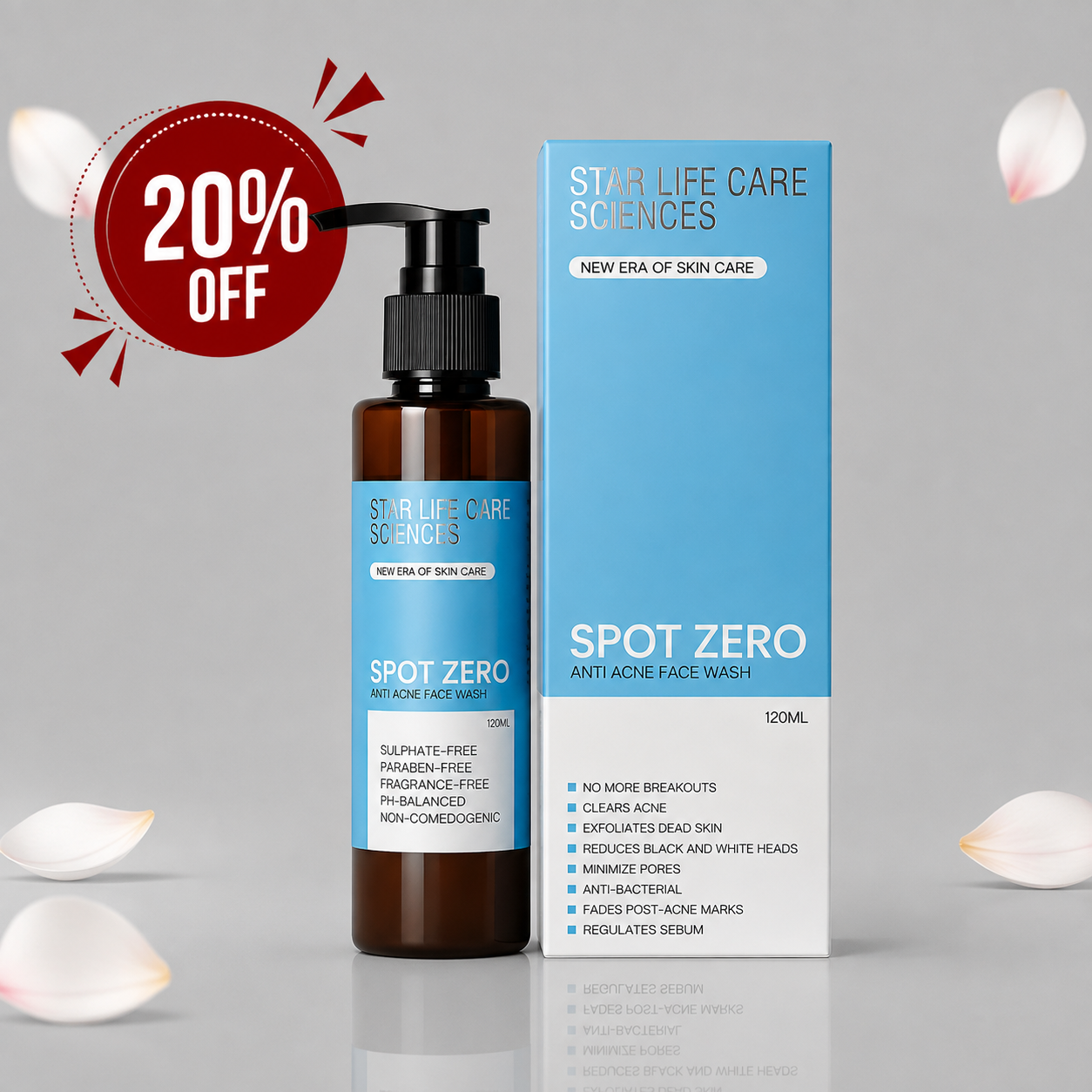
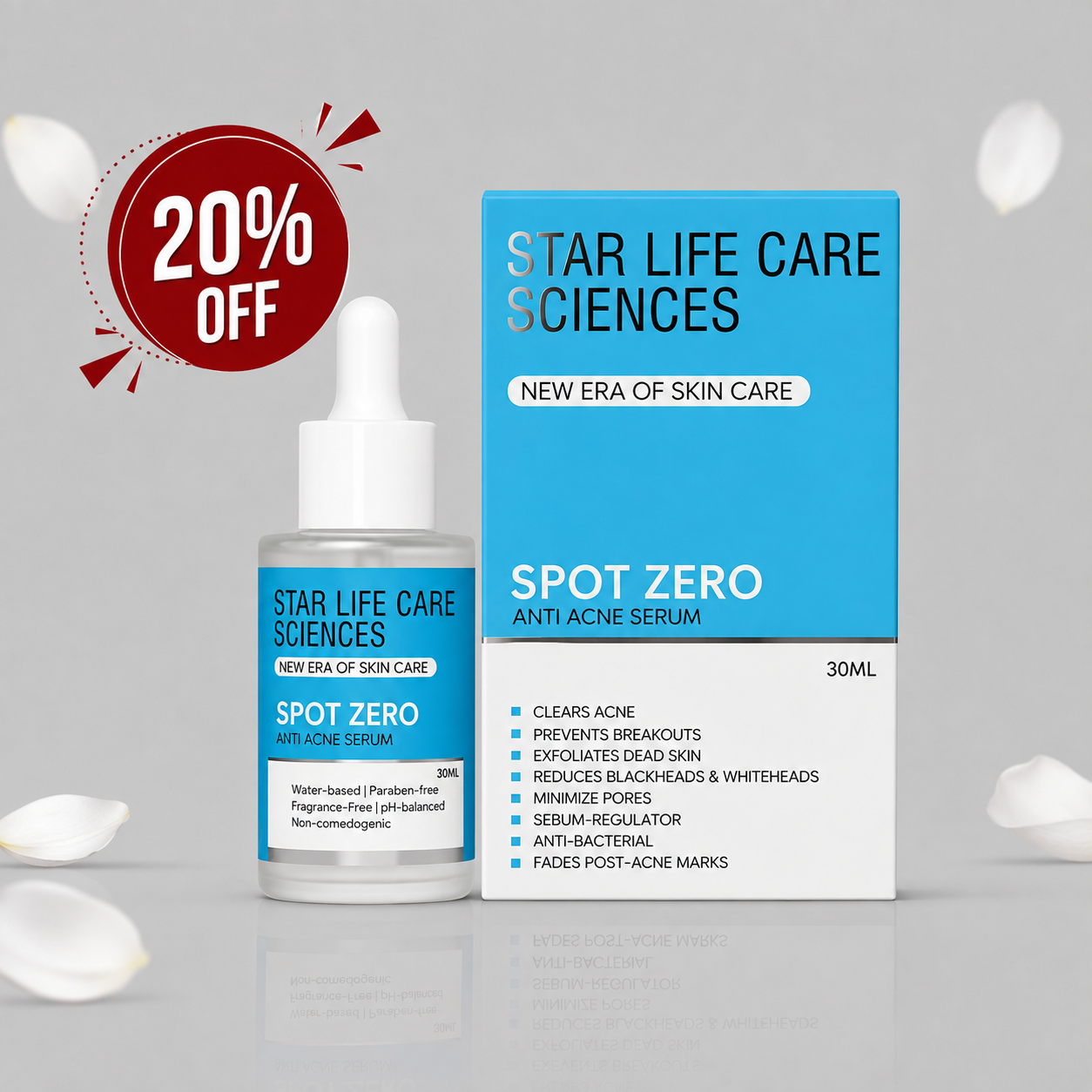
For people looking for an anti-acne serum, Spot Zero Anti-Acne Serum can be incorporated into a broader acne skincare routine.
The most effective approach is not to use the serum alone.
A complete routine can include:
Spot Zero Face Wash → Spot Zero Anti-Acne Serum → Moisturizer → Sunscreen
For people who prefer a coordinated routine, an anti-acne bundle can also make product selection simpler.
The key is consistency and using products according to their directions.
A higher concentration isn't automatically better.
Choose a formula appropriate for your skin and concern.
Combining multiple exfoliating products can increase irritation.
Acne-prone skin still needs hydration.
Sun protection is especially important when your routine includes exfoliating ingredients.
An anti-acne skincare routine requires consistency.
Picking or squeezing blemishes can increase inflammation and contribute to post-acne marks.
1. Anti-Acne Face Wash
↓
2. Lightweight Treatment/Serum
↓
3. Moisturizer
↓
4. Sunscreen
1. Cleanser
↓
2. Anti-Acne Serum
↓
3. Moisturizer
This simple structure is often easier to maintain than a complicated 8–10 step routine.
Before purchasing, ask these questions:
Acne? Oil? Clogged pores? Post-acne marks?
Look for ingredients relevant to your specific concern.
Avoid unnecessarily duplicating strong actives.
Consider whether you have oily, dry, combination, or sensitive skin.
A product you tolerate and use consistently is generally more useful than an overly aggressive product you have to stop using.
There is no single best anti-acne serum for everyone. The right choice depends on your skin type, acne-related concerns, ingredients, and how your skin tolerates the formula.
A serum for acne-prone skin should contain ingredients appropriate for the person's specific concern. Niacinamide, Salicylic Acid, and Azelaic Acid, among others, are commonly used in acne-focused skincare.
Niacinamide can be a useful ingredient in an acne skincare routine, particularly for supporting the skin barrier and balanced-looking skin.
It depends on the serum's formulation. Products containing gentle ingredients may be designed for frequent use, while exfoliating formulas may require less frequent application.
Yes. Acne-prone skin still needs appropriate hydration. A suitable moisturizer can help maintain skin comfort.
Daily broad-spectrum sunscreen is an important part of a complete skincare routine, particularly when using products containing exfoliating ingredients.
No skincare product should be expected to eliminate acne overnight. A consistent anti-acne skincare routine is a more realistic approach.
If acne is severe, painful, persistent, scarring, or significantly affecting your quality of life, professional dermatological evaluation is appropriate.
Knowing how to choose an anti-acne serum is less about finding the most powerful product and more about finding the right formulation for your skin.
Start by identifying your primary concern, whether that's breakouts, excess oil, clogged pores, or post-acne marks. Then look for ingredients that address that concern while maintaining your skin's overall comfort and barrier.
A practical acne skincare routine can be as simple as:
With the right anti-acne serum, consistency, hydration, and daily sun protection, you can build a more balanced approach to caring for acne-prone skin.
If breakouts are persistent or severe, remember that cosmetic skincare has limitations and a dermatologist can help determine the appropriate treatment.


